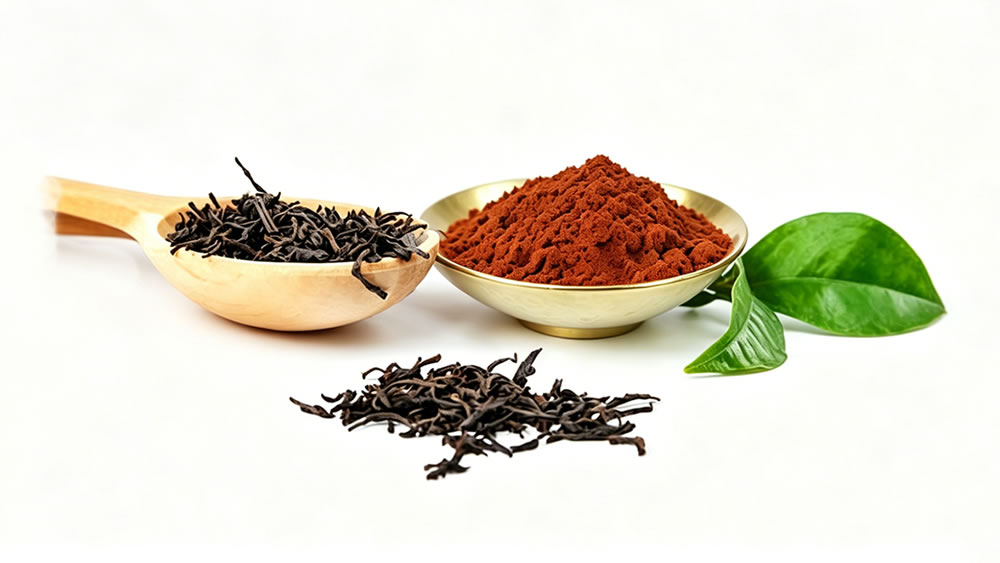
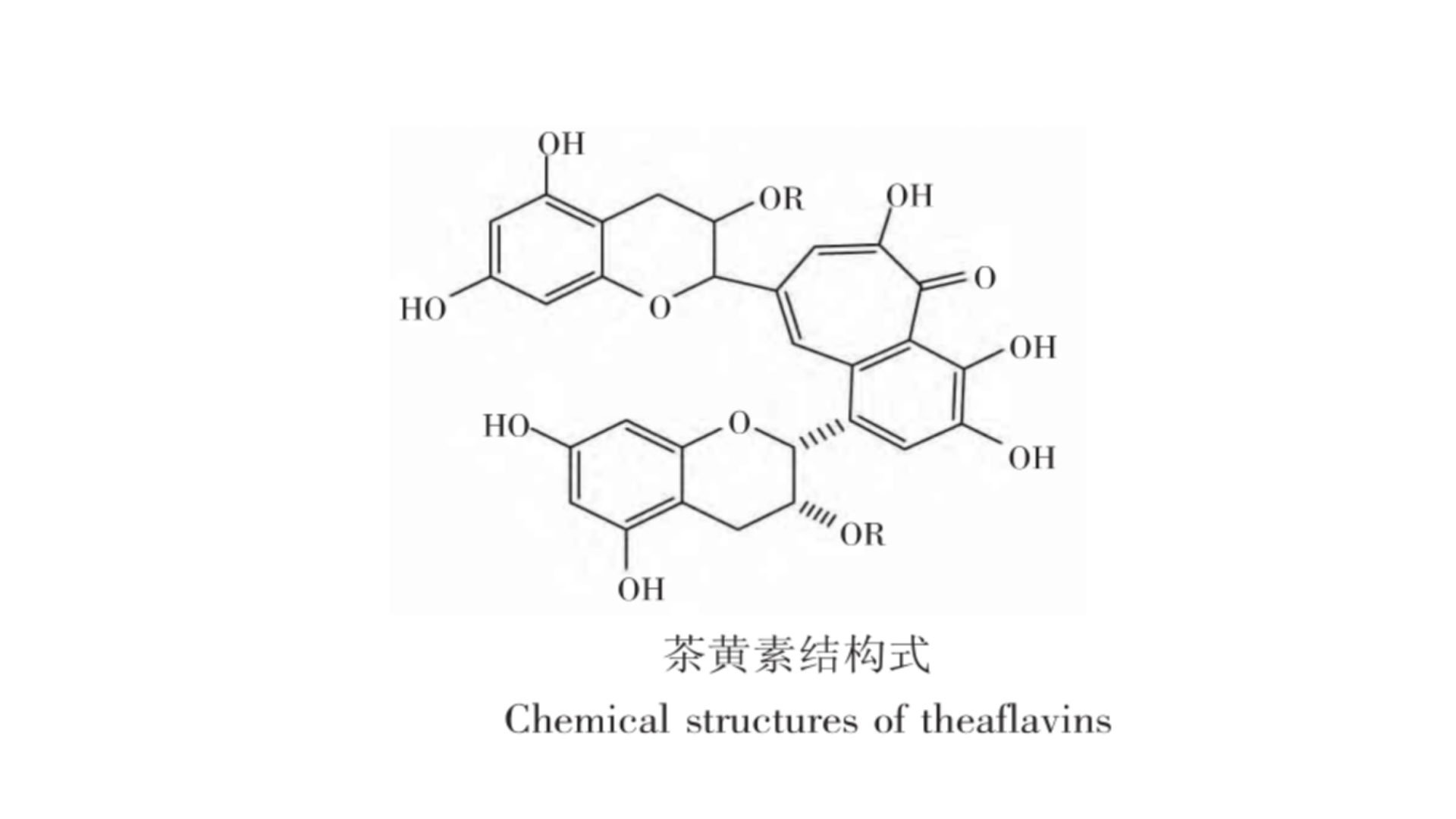
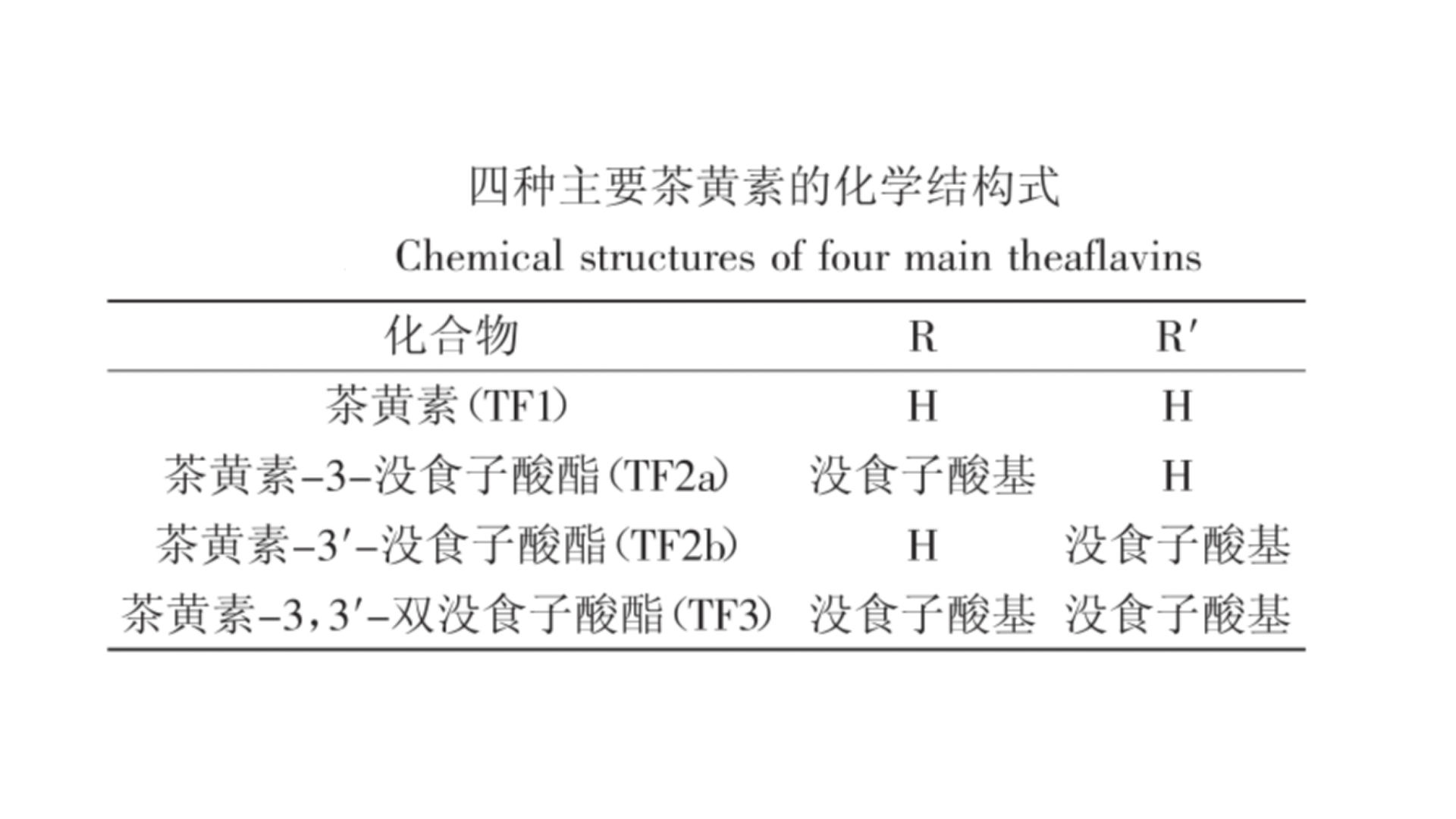
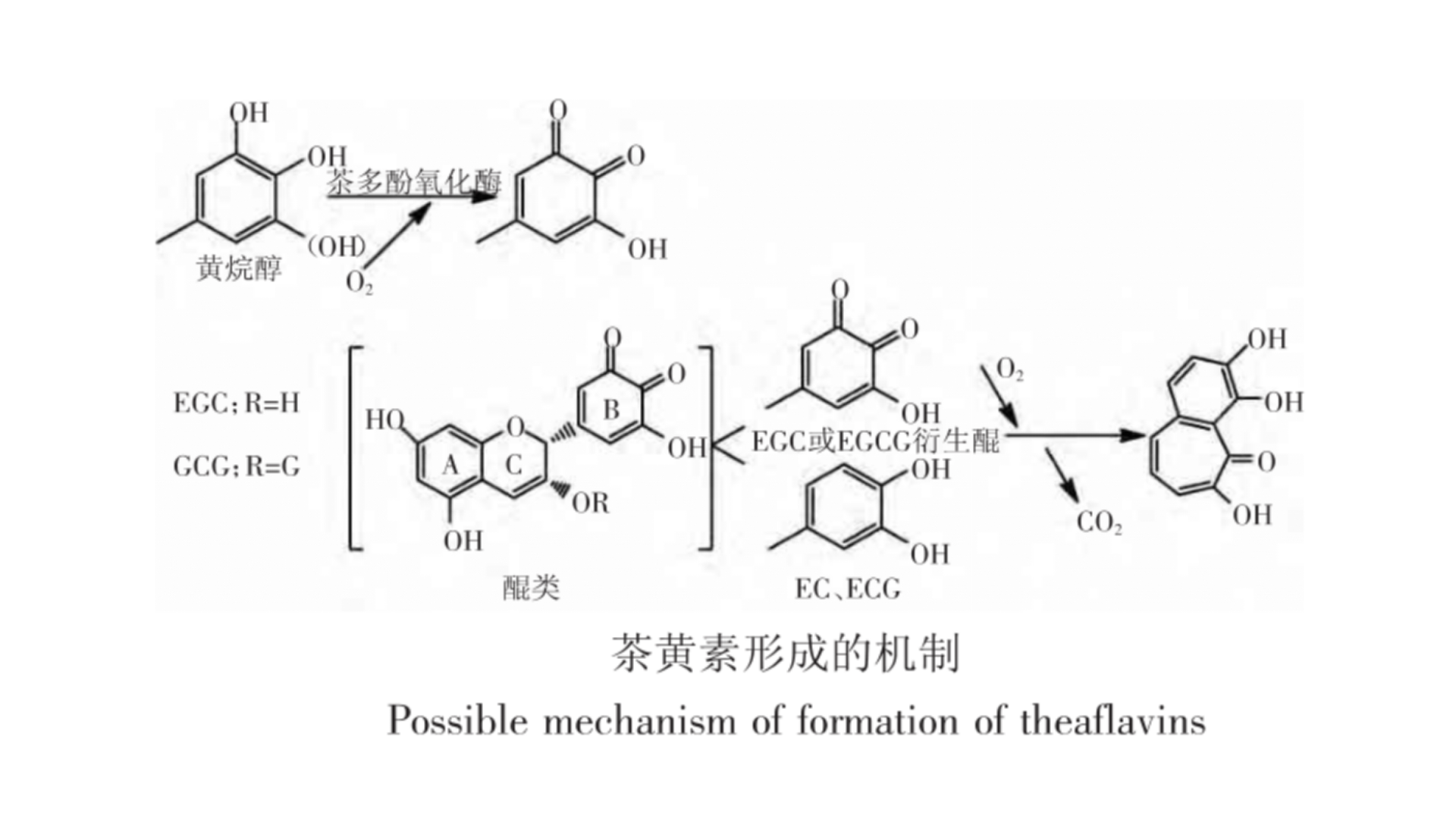
Theaflavin (TF) is a water-soluble tea pigment formed during the fermentation of black tea through the condensation of catechins catalyzed by polyphenol oxidase. It consists of four major monomers: theaflavin (TF), theaflavin-3-galactoside (TF-3-G), theaflavin-3'-galactoside (TF-3'-G), and theaflavin-3,3'-di-galactoside (TFDG), accounting for 0.5%–3% of the dry weight of black tea. It is hailed as the "soft gold of tea."
「The following provides an overview of the therapeutic effects of theaflavins, with descriptions of their functional activities sourced from the literature cited on this website.」
Powerful antioxidant properties that delay aging
Its radical scavenging efficiency surpasses that of vitamin E (50-fold) and vitamin C (30–50-fold). It directly quenches reactive oxygen species (ROS), chelates metal ions, inhibits lipid peroxidation, and protects cell membranes and DNA from oxidative damage. The compound activates endogenous antioxidant systems such as superoxide dismutase (SOD) and glutathione, reduces markers of oxidative stress (e.g., malondialdehyde, MDA), and delays cellular and systemic aging.
Regulate blood lipids and protect cardiovascular and cerebrovascular health
Inhibits hepatic HMG-CoA reductase (a key enzyme in cholesterol synthesis), reducing cholesterol production; simultaneously binds bile acids in the intestine and promotes their excretion, thereby achieving dual reductions in total cholesterol and "bad cholesterol" (LDL-C). Clinical studies demonstrate that continuous 12-week administration results in a 16.4% decrease in LDL-C and an 11.3% reduction in total cholesterol, without hepatotoxicity. It protects vascular endothelium, enhances the bioavailability of nitric oxide (NO), dilates blood vessels, reduces blood viscosity, inhibits platelet aggregation and foam cell formation, and delays the progression of atherosclerosis.
Anti-inflammatory and Immune Regulation
Inhibit inflammatory pathways such as NF-κB and PI3K/Akt, downregulate the expression of pro-inflammatory factors including TNF-α, IL-1β, and IL-6, thereby mitigating chronic inflammatory damage. Regulate the structure of gut microbiota, enhance the intestinal immune barrier, improve immune cell activity, and boost the body's resistance to pathogens.
Antitumor and Synergistic Chemotherapy
Induces apoptosis of cancer cells (e.g., by activating the Bax/Caspase pathway) and inhibits proliferation and metastasis (e.g., by blocking STAT3 and EGFR signaling), demonstrating inhibitory effects on various tumor cells including hepatocellular carcinoma, breast cancer, and colorectal cancer. When combined with chemotherapeutic agents, it reduces drug resistance, mitigates toxic side effects on normal cells, and enhances therapeutic efficacy.
Regulate metabolism and improve glucose and lipid abnormalities
Inhibits α-glucosidase activity, delaying postprandial blood glucose elevation; improves insulin resistance and enhances insulin sensitivity, making it suitable for intervention in type 2 prediabetes. Inhibits fatty acid synthetase (FAS) and lipid absorption, reducing fat accumulation and aiding in weight and body fat percentage control.
Antibacterial and antiviral properties, safeguarding mucosal health
It exhibits broad-spectrum inhibition against Gram-positive/negative bacteria (e.g., Helicobacter pylori, Streptococcus mutans), disrupting bacterial cell membrane integrity and reducing the risk of dental plaque formation and caries. It inhibits enveloped viruses such as influenza virus, SARS-CoV-2, and HIV by blocking the binding of viral spike proteins to receptors and suppressing key viral replication enzymes (e.g., 3CL protease, RdRP).













 WeChat